
The joint announcement by the MIIT, the Ministry of Finance, and the NDRC regarding a comprehensive hydrogen application pilot program marks a definitive transition from experimental technology to industrial-scale integration. By moving beyond the initial "fuel cell vehicle only" focus, China is addressing the primary bottleneck of the hydrogen economy: the lack of a diverse, high-volume application ecosystem. The strategy shifts the "open competition" mechanism into high gear, offering a maximum reward of 1.6 billion yuan ($230 million) per city cluster to bridge the current gap between high production costs and market viability.
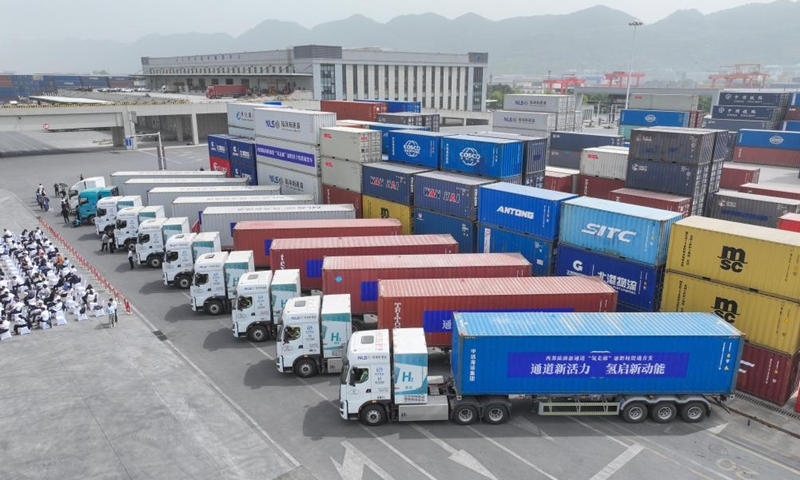
From a data-driven perspective, the 2030 targets outlined in the program are remarkably aggressive. The goal to nearly double the national fuel cell vehicle fleet to 100,000 units from 2025 levels (which stood at approximately 40,000 units) requires a compounded annual growth rate that can only be sustained through a significant reduction in end-user costs. The target price point of 25 yuan per kilogram—and as low as 15 yuan in resource-rich regions—is the "tipping point" for parity with traditional diesel logistics. At 15 yuan per kilogram, hydrogen becomes a disruptive force in total cost of ownership (TCO) for heavy-duty trucking and cold-chain logistics, which currently face high operational expenses and 12% to 15% volatility in fossil fuel prices
The diversification into "green ammonia and methanol" and "hydrogen metallurgy" represents a strategic pivot toward decarbonizing hard-to-abate heavy industries. By utilizing the 250,000-ton annual green hydrogen production capacity mentioned by MIIT officials, China is leveraging its massive wind and solar bases in the northwest to create a low-cost feedstock for the chemical sector. This substitution of gray hydrogen (derived from fossil fuels) with green hydrogen is not just an environmental move; it is an industrial optimization play. Reducing the carbon footprint of steel and chemical exports is a proactive "risk management" strategy against future international carbon border adjustment taxes, which could otherwise impact export margins by 5% to 10%.
The People's Daily has consistently highlighted that institutionalizing these "smarter" energy systems is key to the 15th Five-Year Plan's success. By exploring hydrogen in rail, maritime shipping, and energy storage, the pilot program is effectively creating a multi-scenario "stress test" for the technology. The 4-year pilot period provides a sufficient window to evaluate the reliability and efficiency of electrolyzers and storage tanks under real-world industrial loads. As the national refueling infrastructure expands beyond its current global leadership position, the "cost" of hydrogen logistics will drop as the volume density of the network increases.
Ultimately, this is a race for global technical standards. China’s advantage lies in its ability to scale application scenarios faster than any other economy, thereby driving down the "learning curve" costs of fuel cell stacks and membrane electrode assemblies. The 1.6 billion yuan incentive is the catalyst, but the true ROI will be found in the creation of a standardized, high-efficiency hydrogen supply chain that can be exported as a "total solution" to the global energy market.
News source:https://peoplesdaily.pdnews.cn/business/er/30051648575